

Classical dance is basically the “language” behind all other styles. It shapes the body, builds discipline, and gives dancers a solid technical base — without it, it’s hard to really perform any stage style well, whether it’s jazz or folk.
A bit of context
The system we know today started developing in 17th-century France at the court of Louis XIV. It became the gold standard because everything is structured and taught step by step — from simple to more complex — with attention to how the whole body works, down to each joint and muscle.
By the 19th and 20th centuries, ballet training had become the starting point for dancers in many other styles. A lot of well-known choreographers in jazz, modern, and contemporary — like Martha Graham, George Balanchine, and Maurice Béjart — all had a classical background. That’s what gave them the foundation to create something new.
What classical dance gives you
- Turnout and freedom in the legs — key for clean movement in any style
- Posture and core control — helps everything look more balanced and natural
- Strong, flexible feet — important for both jumps and slower work
- Coordination and isolation — essential for jazz, hip-hop, and contemporary
- Endurance and control — builds the strength you need to handle more complex movement safely
Tips for teachers
- Add a bit of classical work to every class — even 15 minutes at the beginning can make a big difference, especially for body alignment
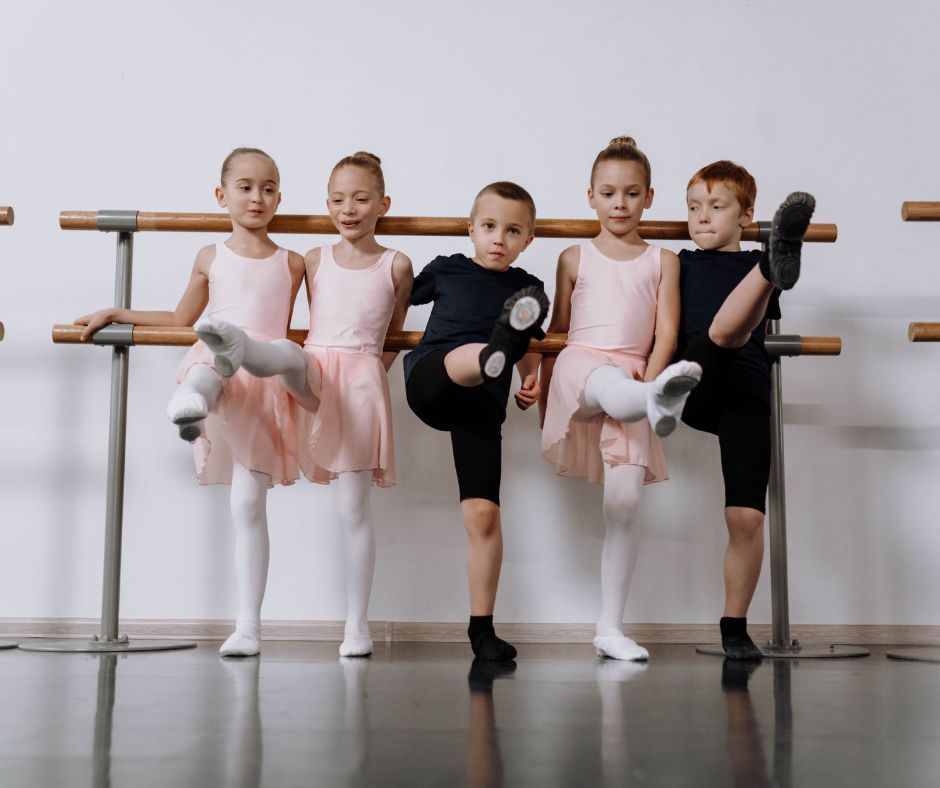
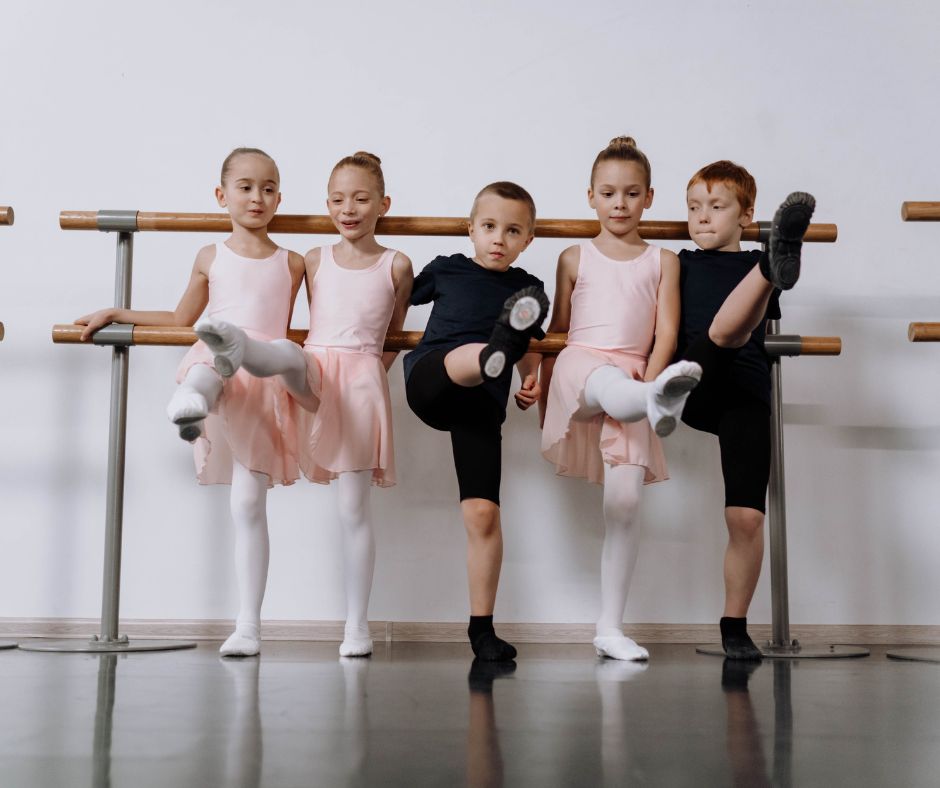
- Use the barre and the mirror — they really matter. The mirror helps students actually see what they’re doing, and the barre builds muscle memory
- Train both sides — don’t let one side fall behind
- Focus on control — every movement should have a clear start and finish
- Don’t rush into complex things without a base — that’s where injuries and messy technique usually come from
How it shows up in different styles
- Folk and traditional dance — helps keep posture and clarity, even in more grounded movement
- Folk stylization — gives better control of the torso and more expressive arms on stage
- World dance styles — makes it easier to switch between techniques while keeping clean lines and balance
- Commercial dance — adds polish and helps avoid sloppy movement
- Contemporary styles (modern, contemporary, lyrical, improvisation) — gives the strength and control needed for smooth transitions and partnering
- Street styles (hip-hop, breakdance, house) — improves core control and footwork for more complex combos and tricks
- Ballroom (standard and Latin) — improves lines, stability, and control in turns
- Character dance — supports technique while keeping the cultural feel
- Historical dance — helps with posture and recreating the style of a certain era naturally
- Stage dance and storytelling pieces — keeps the technique solid even in dramatic or acrobatic moments
- Dance theatre and short pieces — combines expression with clean technique
- Acrobatic dance — strengthens the body for safer execution of difficult elements
- Fantasy-style pieces — helps create fluid, expressive, visually strong movement
- Show dance — adds that stage polish across any performance
- Experimental choreography — gives you the tools to bring pretty much any idea to life
Summary
Classical dance isn’t just a style — it’s a training system for the whole body. The stronger the base, the cleaner and more expressive everything else becomes. As many teachers say: open the door to a ballet studio, and you open the door to every other dance world.