

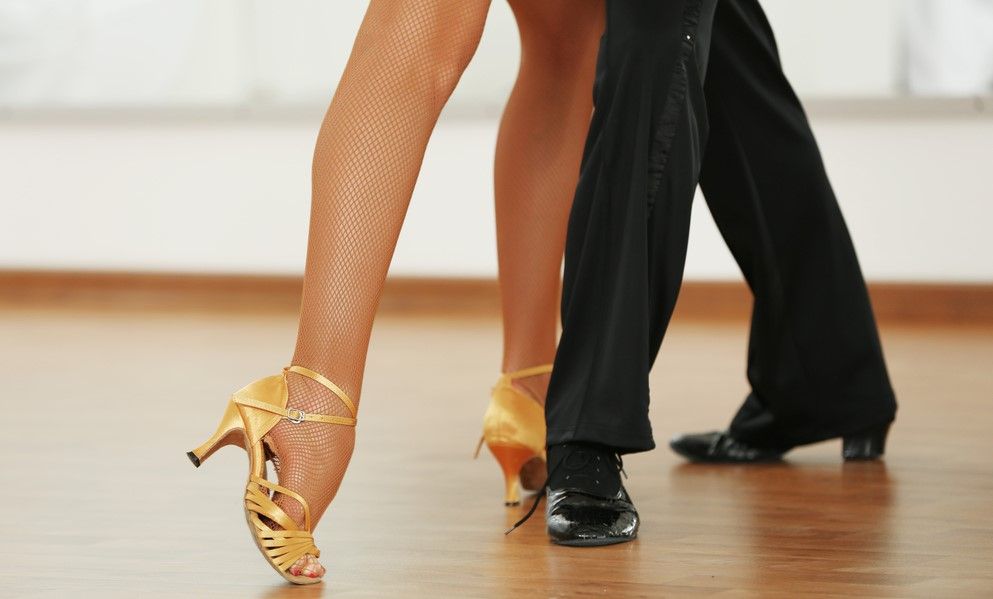
Ballroom dancing, like any other art form, requires creativity and imagination. However, it is not without reason that it is called competitive ballroom dancing. Behind the beauty of movement stand countless training sessions, discipline, and constant work on oneself. Over time, a dancer begins to take part in competitions, contests, and tournaments.
This is why properly chosen footwear becomes one of the key elements in the training and development of a dancer.
Rating shoes are dance shoes designed for young dancers. Their distinctive feature is a block heel, the height of which should not exceed 3–3.5 cm.
Shoes for boys usually have a heel of 2–2.5 cm.
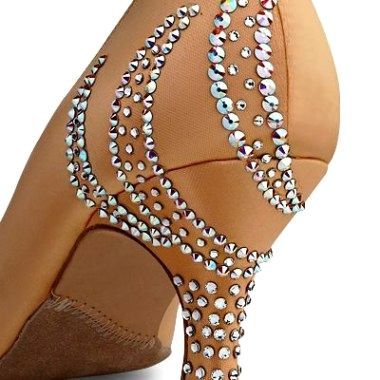
Rhinestones and decorative elements are not allowed — dancers will be able to add such details later when they move into an older category.
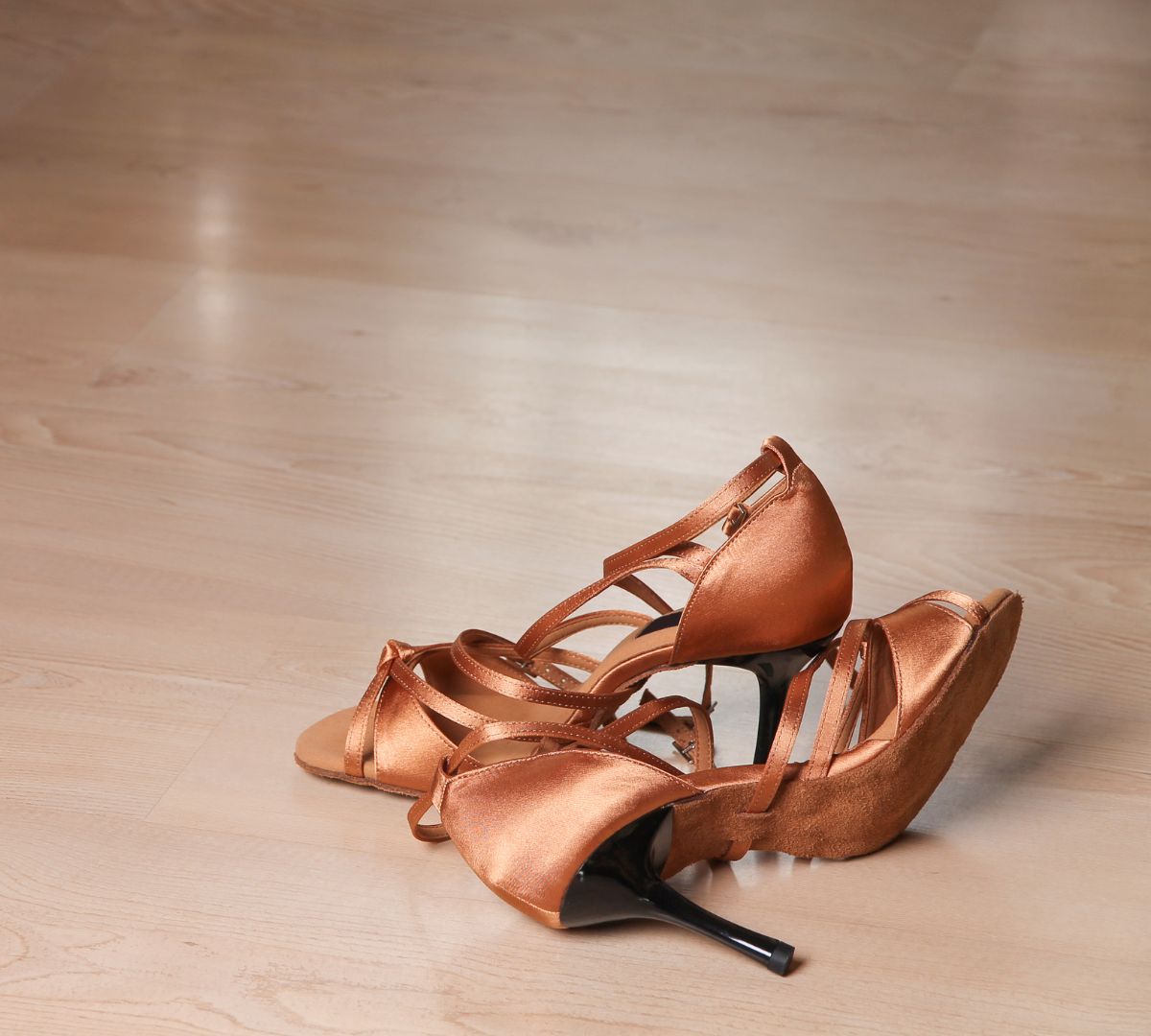
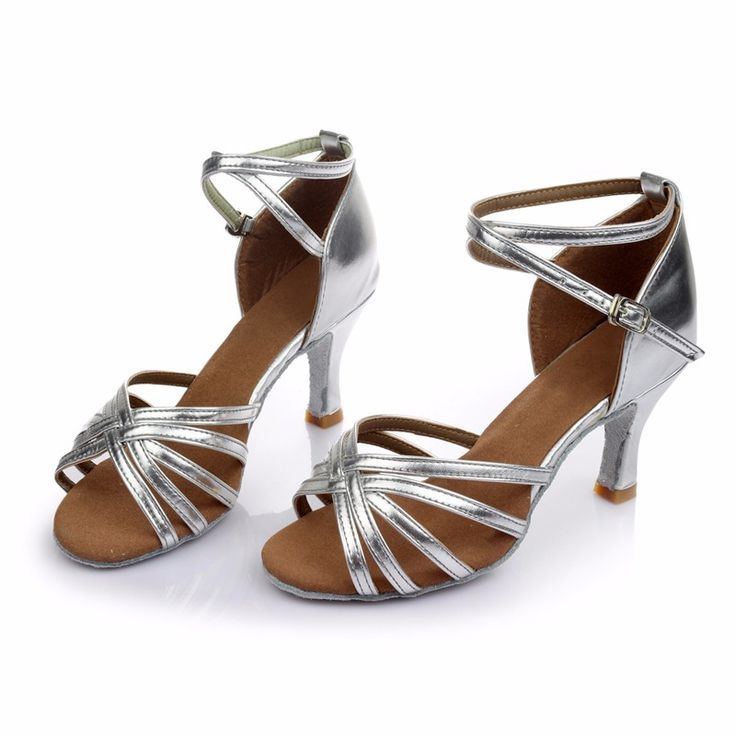
Women's shoes for Latin American dances are produced with heels of 5, 6, 7, 8, and sometimes 10 cm.
Latin dances are performed in specialized sandals with a closed heel and a strap. It is better when the strap is secured under the foot rather than around the ankle — this is a more comfortable and safer option.
A soft and flexible arch support is essential. It is the element that ensures proper execution of movements.
It should be noted that heel height is selected individually for each dancer and often depends on the height of the partner.
Sometimes a partner may feel comfortable even in a ten-centimeter heel — this may be related to the anatomical structure of the foot.
However, beginner dancers are still advised to choose models with lower heels. This helps to practice technique without unnecessary strain on the body and prevents swelling and heaviness in the legs.
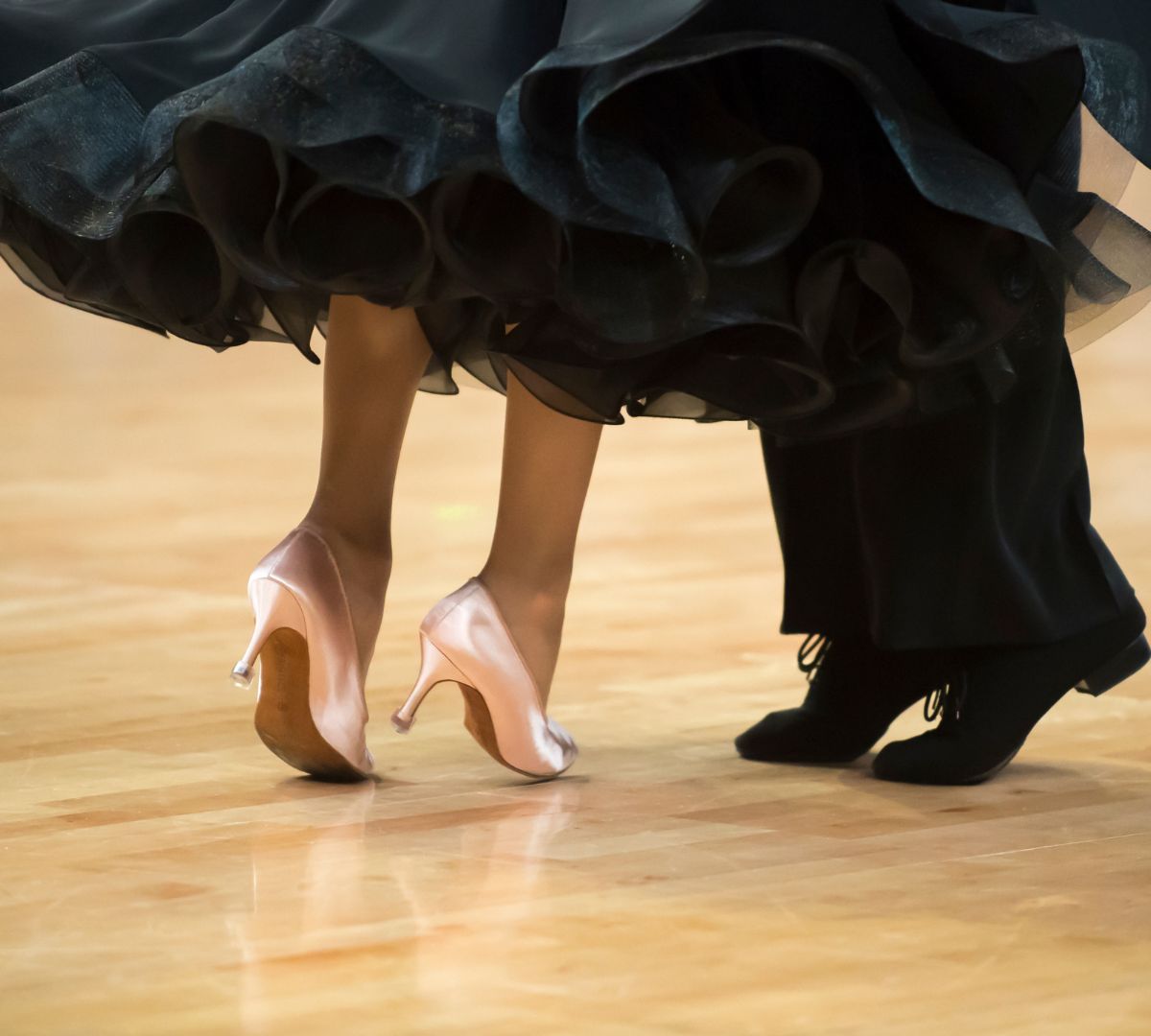
Women's shoes for European ballroom dances are usually produced with heels of 5–7 cm.
Visually they resemble classic pumps but have a closed, often pointed toe.
Shoes for the standard program are sometimes sold with a strap that secures the foot. This is a good option for those who fear, like Cinderella, losing their shoe during the dance.
Men's shoes for Latin American dances usually have heels of 3.5–4 cm.
In Latin dances, men — like women — use a more flexible and shorter arch support, which provides greater flexibility of the foot.
Men's shoes for European ballroom dances usually have heels of 2–2.5 cm.
In the standard program the heel is lower than in Latin dances, and the arch support is longer.
Training Shoes for Dance
Many dancers prefer to train in specialized footwear. These may be special training shoes as well as dance sneakers or jazz shoes.
In this case, it is possible to choose a model with a wider heel similar to those used in men's shoes.
Training shoes are usually closed, which adds stability on the parquet floor and protects against injuries.
Why You Cannot Dance in Regular Shoes
One of the most common questions beginners ask is why they cannot dance in ordinary shoes.
Dance shoes are not given their name by accident. They are made of natural or specialized eco-leather, which is significantly softer than materials used in everyday footwear and better follows the anatomy of the foot.
In regular shoes the sole is too thick, and the dancer cannot properly feel the parquet floor.
Even orthopedic models do not have such a flexible arch support as dance shoes, especially in the Latin program.
Dancing in regular shoes makes it impossible to properly stretch the foot, which causes movements to become restricted and technically incorrect.
Rating Shoes for Children
If shoes are purchased for a child, it is important to remember that children's feet grow very quickly.
Therefore, rating shoes are recommended to be bought with a small allowance — about 0.5 cm.
However, it is not advisable to go to extremes and buy shoes one or even two sizes larger.
If the allowance is too large, the child will find it uncomfortable to dance. The toe may catch on the floor, which can lead to incorrect execution of movements and even injuries.
How Many Pairs of Shoes Are Needed
Beginner dancers usually need only one pair of shoes for practice.
However, older students should have two pairs: one for the European program and one for the Latin program.
It is impossible to dance both programs in the same pair because the techniques of these dances differ significantly.
In the standard program movements begin with the heel, while in Latin dances they begin with a stretched toe.
Therefore each program requires its own specialized pair of shoes.
How Adult Dancers Should Choose Shoes
Adult dancers should choose shoes strictly according to size.
If the model is too large, it will quickly become even looser, and dancing will become uncomfortable.
Shoes for Latin dances may slightly reveal the toes — this is normal. In Latin dances it is important to feel contact with the parquet floor.
Shoes for the standard program should also fit tightly, even slightly snug. Leather tends to stretch, and after several training sessions the shoes will become more comfortable.
Heel
The heel must be comfortable. If you already feel tired standing in the shoes after just a few minutes during fitting, dancing in them will be difficult.
For children, the acceptable heel height is 2–3.5 cm.
Beginner dancers are recommended to choose heels up to 5 cm.
Heel Protectors
Heel protectors should also be purchased for dance shoes.
They help preserve the heel tip from wear and protect the heel from abrasion.
In addition, this small detail adds stability on the parquet floor and protects it from scratches.
Heel protectors are made of silicone. They are usually chosen to match the color of the heel (transparent or black).
To put on a heel protector, it should be slightly heated with a hair dryer — this makes it softer, more flexible, and allows it to fit tightly around the heel.
Conclusion
Properly chosen dance shoes are not only an element of costume. They are a tool that helps a dancer feel the parquet floor, perform movements correctly, and dance with confidence.
When the shoes are comfortable, a dancer can fully focus on the music, the partner, and the dance itself.
And it is from such details that the path to beautiful, effortless, and truly professional dancing begins.